Agents move fast through the supply chain. Policy closes every gap.
Agents move fast through the supply chain. Policy closes every gap.
One platform to block risky packages and secure everything from code to release, right where teams and agents already work.
Decide what enters the build. Prove what ships.
Policy-as-code from commit to release, so agent-paced delivery stays under your control.
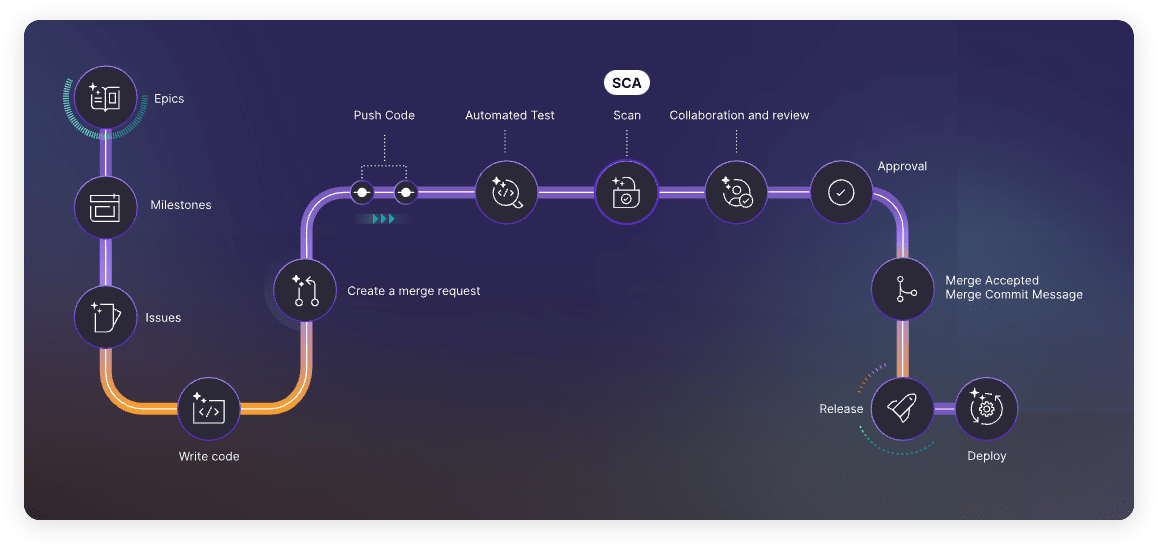
Block risky packages before they enter your build. Protect multiple attack surfaces, including your code, build, dependencies, and release artifacts, with policy-as-code and continuous governance.
Trusted By:





Establish Zero Trust
Identity and access management is one of the biggest attack vectors in the software supply chain. Secure access by authenticating, authorizing, and continuously validating all human and machine identities operating in your environment.
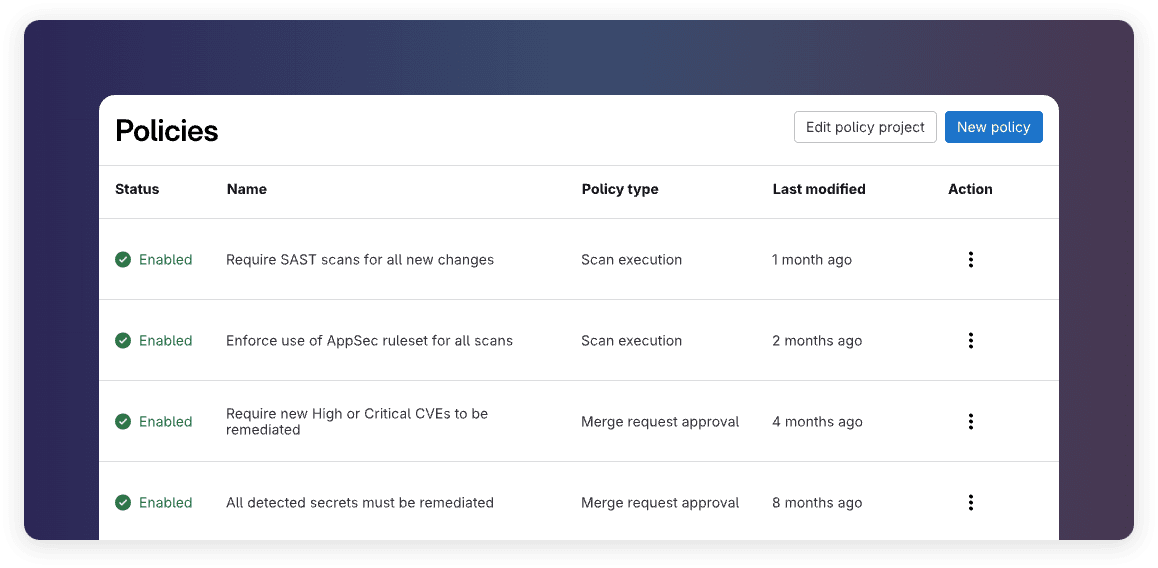
Access control: Implement granular access control, including two-factor authentication.
Token policies: Establish token expiration policies for machine and human credentials.
Policy management: Set up policies as per organizational or regulatory rules.
Audit evidence: Generate comprehensive audit and governance reports for compliance adherence.
Two-person approvals: Enforce two-person approvals for additional guardrails.
Secure your source code
Ensure the security and integrity of your source code by managing who has access and how changes are reviewed and merged.
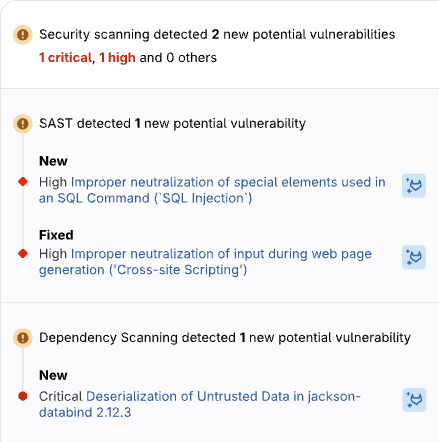
Version control: Establish version control, code history, and access control to your source code.
Code quality: Use automated code quality tests to analyze the performance impact of changes.
Approval rules: Enforce review and approval rules to control what goes into production.
Security scans: Run automated security scans to capture vulnerabilities before your code is merged.
Secrets detection: Ensure passwords and sensitive information are not in your source code.
Signed commits: Implement signed commits to prevent developer impersonation.
Secure dependencies and builds
Block risky open source packages before they are fetched, and lock down the build so vulnerable or injected code never becomes what you ship.
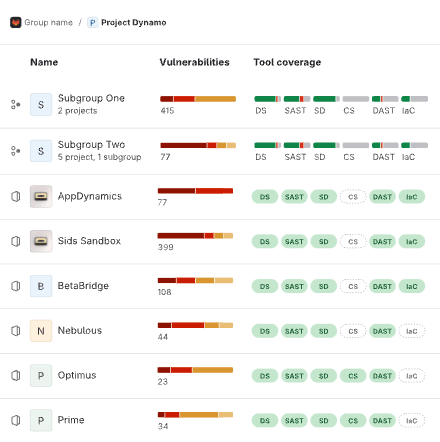
Risky package blocking: Block malicious packages and packages above your vulnerability severity threshold before they are fetched.
Software bill of materials: Generate an SBOM automatically so you know every dependency in the project.
Software composition analysis: Find disclosed vulnerabilities in dependent software before they reach production.
License compliance: Scan licenses and block packages that fall outside your organization policies.
Isolated builds: Isolate the build environment to block unauthorized access and malicious code execution.
Artifact attestation: Attest build artifacts so you can prove they were not tampered with.
Release evidence: Capture evidence for everything included in the release.
Secure release artifacts
Stop attackers from exploiting weaknesses in an application's design or configurations to steal private data, gain unauthorized access to accounts, or impersonate legitimate users.
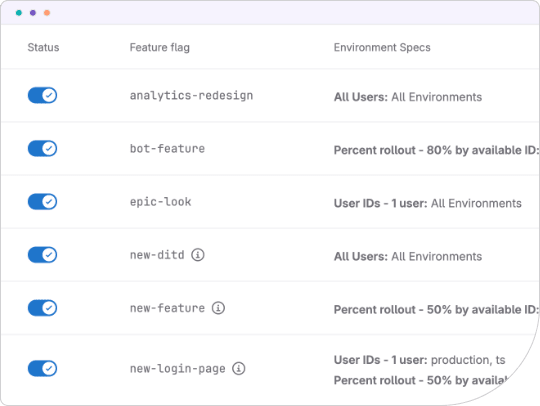
Secure delivery: Establish a secure connection with your cluster to deliver your release artifacts.
Runtime checks: Identify security vulnerabilities in running applications before deploying.
API protection: Ensure your API interfaces do not expose your running application.
Trusted by enterprises.
Proven in security and governance.
Trusted by enterprises.
Proven in security and governance.
Slide 1 of 5

GitLab is really helping us in our very modern architecture, because you're supporting Kubernetes, you're supporting serverless, and you are supporting cool security stuff, like DAST and SAST. GitLab is enabling us to have a really cutting edge architecture.